Inside Healthcare – Episode 2: Jet Rusken (HOOG) on implementing the CVRM care pathway in primary care

Wout-Jan Duits
Implementation
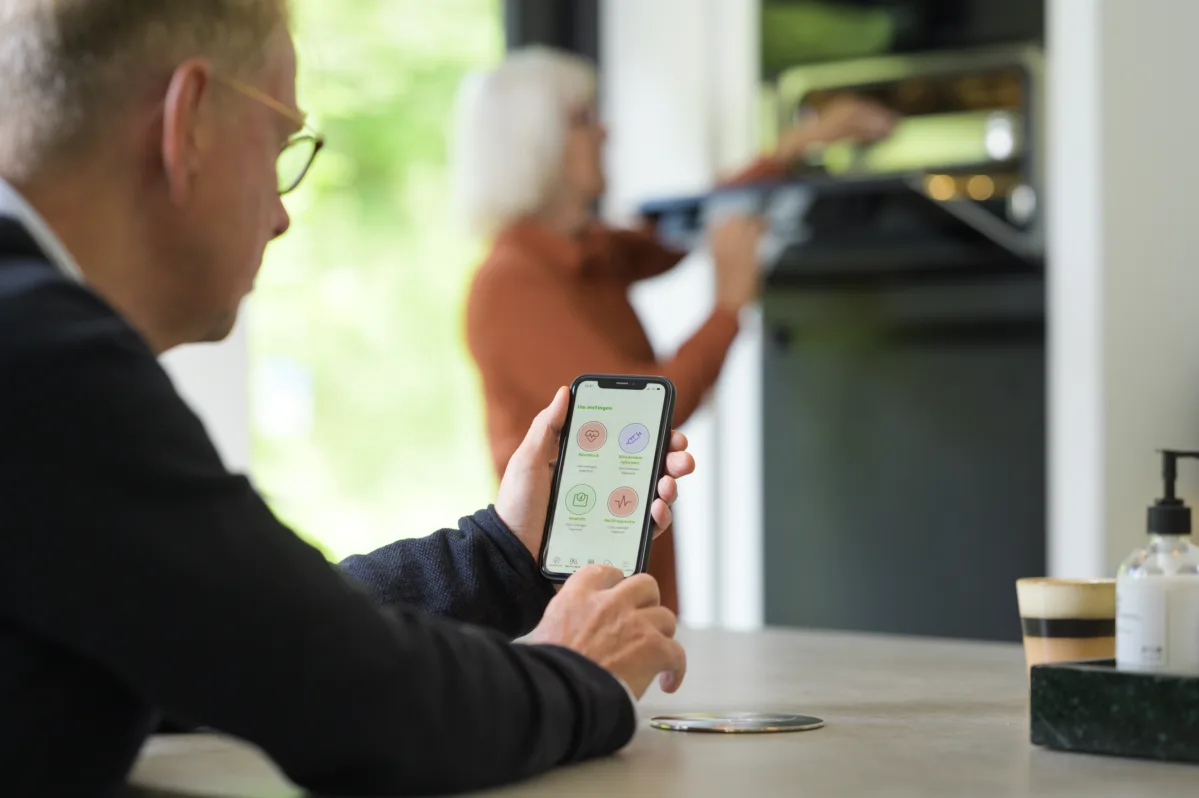
In this episode of Inside Healthcare, we explore the realization of a CVRM care pathway and what it takes to successfully implement it in daily primary care practice.
About this episode (in Dutch 🇳🇱)
In this episode, we speak with Jet Rusken, Manager of Care at HuisartsenOrganisatie Oost-Gelderland (HOOG). Together, we dive into the development and implementation of a structured CVRM (Cardiovascular Risk Management) care pathway across general practices.
The conversation focuses on how innovation moves from concept to practice: aligning stakeholders, organizing workflows, and ensuring that digital solutions truly support healthcare professionals instead of adding administrative burden.
Why the CVRM care pathway matters
Cardiovascular Risk Management is a cornerstone of proactive, preventive care in primary care settings. However, implementing a consistent and scalable CVRM pathway across multiple practices requires more than just guidelines — it demands coordination, structured data capture, and clear care workflows.
Jet shares how HOOG approached:
Structuring the CVRM pathway across practices
Aligning GPs, practice nurses, and care teams
Embedding digital questionnaires and measurements into routine care
Ensuring data is available and usable within existing GP systems
From vision to implementation
A key theme in the interview is the gap between designing a care pathway and actually making it work in daily practice. Jet explains the importance of:
Clear governance and ownership
Practical workflows that fit clinicians’ routines
Gradual implementation with continuous feedback
Strong collaboration between care organizations and IT partners
These elements ensured that the CVRM pathway was not just theoretically sound, but operationally effective and scalable.
Lessons for healthcare innovators and implementers
This episode provides valuable insights for healthcare consultants, integration teams, and primary care organizations working on digital care pathways and structured data capture.
Key takeaways:
Implementation succeeds when workflows lead, technology follows
Structured data enables better collaboration and continuity of care
Change management and stakeholder alignment are as critical as the technology itself
Preventive care pathways like CVRM benefit from standardized, interoperable data flows
Want to see similar care pathways in practice?
Curious how structured questionnaires, hybrid care pathways, and interoperable data flows can support implementations like the CVRM pathway at HOOG? Request a demo to explore relevant use cases for your organization — from digital intake and monitoring to integrated data exchange with EHR systems.